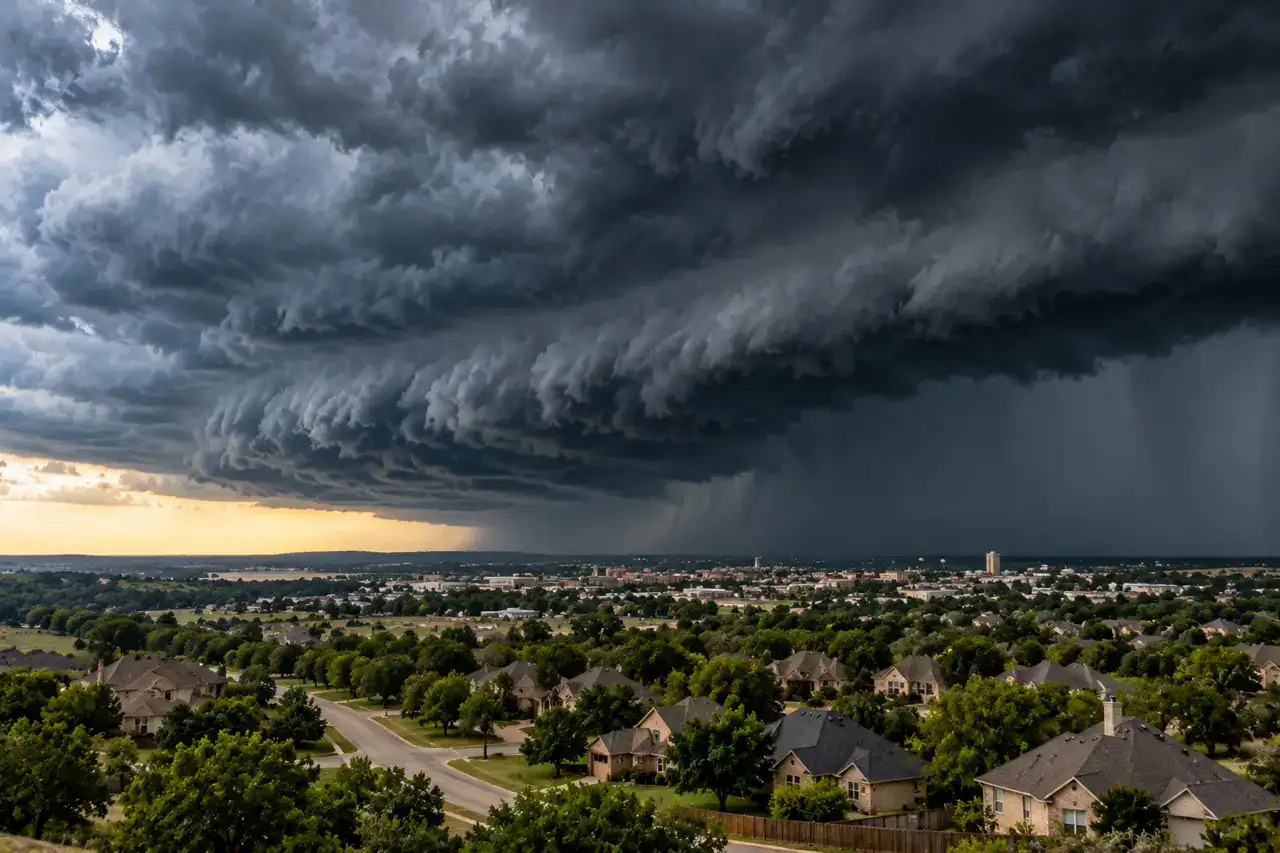
The remnants of Hurricane Polo brought heavy rain and flooding to areas around Fort Worth this week. In light of Hurricane Polo, it brings to mind how important it is to be prepared for storms in the Fort Worth area. Over the course of a year, Fort Worth sees a little bit of everything: flooding rain, high wind and tornadoes, winter freezes, and dry-weather fire danger. Whatever the season, a handful of preventative steps can make the difference between a storm that passes without incident and one that causes real damage to your home.
Flooding and Heavy Rain
Heavy rain events like the one Hurricane Polo’s remnants brought this week are one of the more common storm risks in North Texas, and most of the damage they cause is preventable with a little preparation.
- Clear your gutters, downspouts, and French drains: clogged gutters send water pouring down exterior walls and pooling at the foundation instead of away from the house, which is one of the fastest ways a heavy rain event turns into interior water damage.
- Move anything in flood-prone areas of the yard: patio furniture, planters, equipment, and anything else in low-lying areas should be moved to higher ground or secured before the rain arrives.
- Make accommodations for pets: bring outdoor pets inside or provide them with dry, elevated shelter, and have a plan for where they will stay if standing water develops in the yard.
- Stay weather aware: if your home is in a flood-prone area, monitor local stations and the National Weather Service for updates, and be ready to move quickly if a Flood Watch is upgraded to a Flood Warning.
- Check windows, doors, and ceilings: walk through periodically during a rain event and look for any sign of a leak or water spotting, which is often the first visible sign of a roof or flashing problem. Both are far easier to address in the early stages of damage than after.
- If you find an active leak, treat it as urgent: pull back any wet carpet and padding and set up fans to begin drying the area immediately. According to Texas A&M AgriLife Extension’s guidance on flood-damaged homes, flooring and padding that stay wet for more than a day or two are prone to mold. A fan alone will not fully dry out a wet subfloor or wall cavity, so plan on professional water remediation as soon as possible. Take photos of the damage as you go so your insurance company has a clear record from which to work.

High Wind and Tornadoes
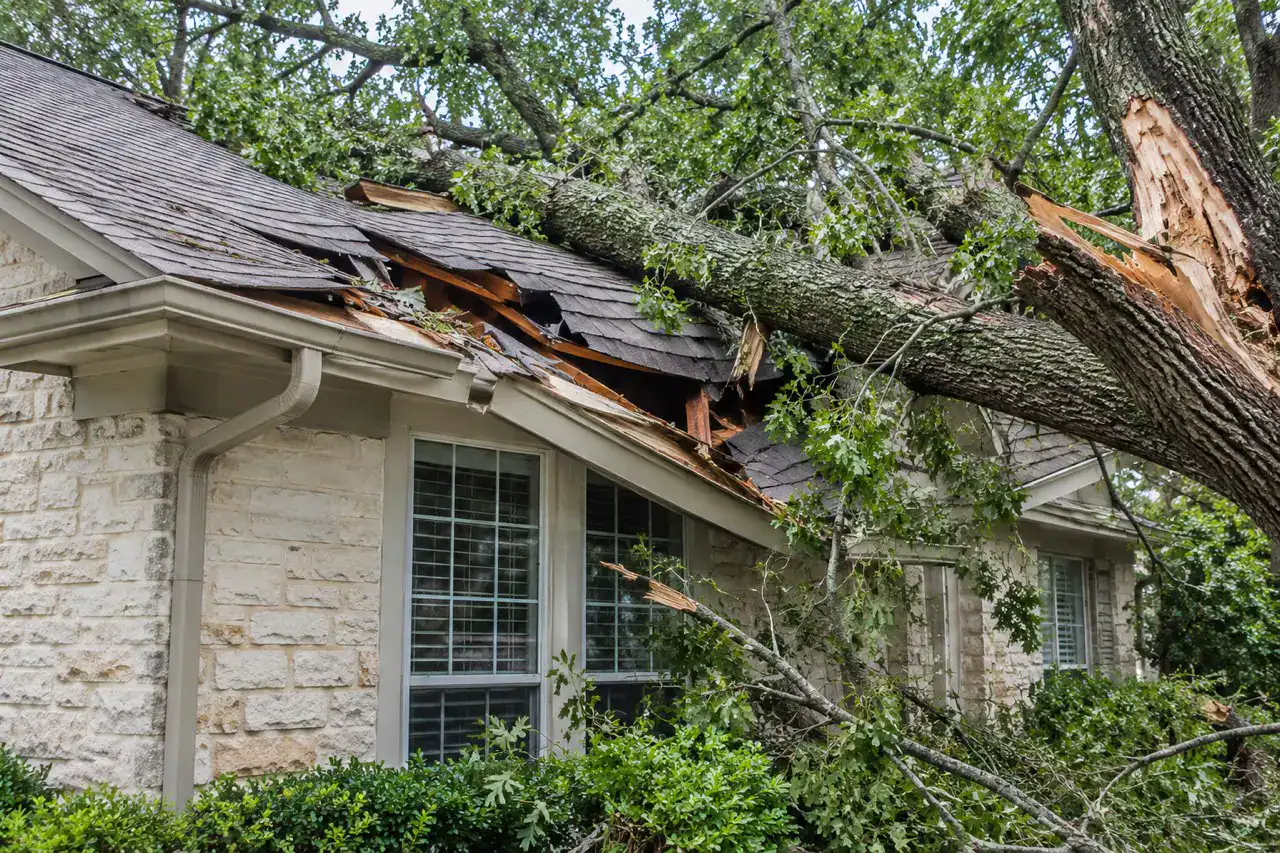
Texas sees more tornadoes than almost any other state, and even storms that fall short of producing one can bring damaging straight-line wind. The Texas Department of Insurance recommends the following ahead of a high wind event.
- Secure or move anything that could blow away: patio furniture, grills, toys, trampolines, and anything else in the yard should be tied down or moved indoors, since loose items become projectiles in high wind.
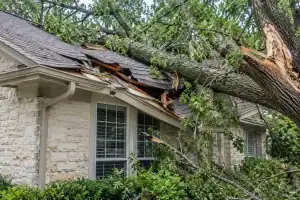
- Trim dead or weak tree limbs: limbs that could break off in high wind are one of the most common causes of roof and window damage in a storm. This is also a good habit to pair with the canopy-spacing guidance in the fire danger section below.
- Reinforce the garage door: a garage door is one of the most vulnerable points on a home in high wind. Make sure your door is secure and structurally stable.
- Maintain your gutters: keep fasteners tight, since wind-loosened gutters are prone to tearing away during a storm.
- Know how to shut off electricity and gas to your home: a tornado or severe wind event can cause power outages or gas leaks, and knowing the shutoff locations ahead of time matters in the moment.
- Identify a safe shelter location: an interior room on the lowest floor, away from windows, is the standard tornado shelter location. If your home has a dedicated safe room, as covered in Stanton & Co.’s Home Additions in Fort Worth post, make sure everyone in the household knows where it is and how to get to it quickly.
Winter Freezes
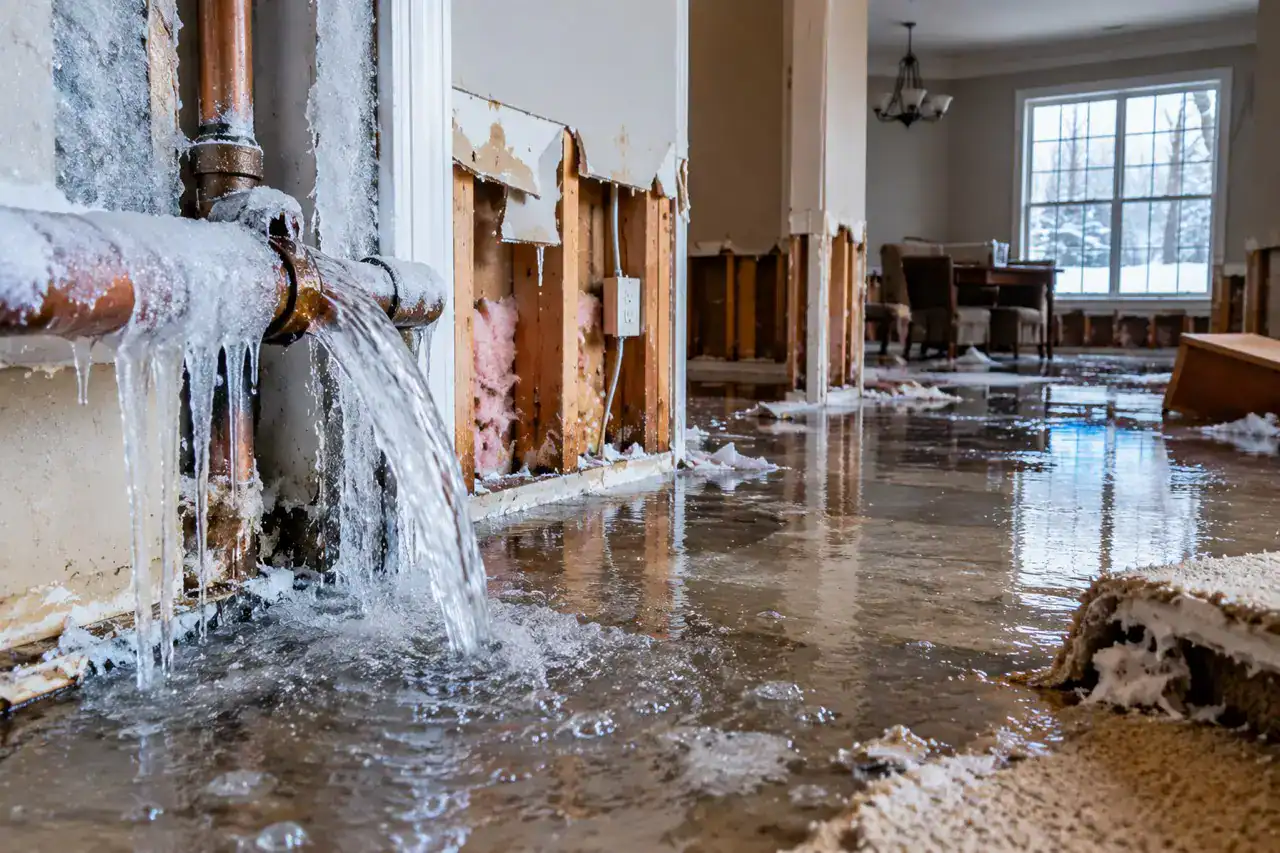
A hard freeze is one of the most damaging and most preventable risks a Fort Worth home faces, as the statewide freeze of February 2021, Winter Storm Uri, made clear.
- Buy insulated covers for outdoor faucets: before a freeze is in the forecast, since they tend to sell out quickly once one is.
- Insulate exposed pipes: in the attic, garage, crawlspace, and along exterior walls.
- Winterize the sprinkler system: insulate or cover the backflow valve, and know how to shut off and drain the system.
- Find and label the main water shutoff, and confirm it actually turns: if you have not already, purchase a valve cut-off tool at your local hardware store. It can save you thousands of dollars in damage should you have a burst pipe in your home. To see more on this, see our YouTube video How to Shut Off Your Water After a Burst Pipe | Homeowner Tips.
- Know how to protect pool equipment in a hard freeze: whether that means running the pump continuously or using the system’s built-in freeze-protection mode.
- Have a plan for a power outage: including a generator that has been serviced and tested, flashlights, batteries, and a way to keep faucets dripping.
- Stock up on propane: if your home relies on propane-fueled appliances, heaters, or a generator, rather than waiting for the first cold snap.

Wildfire and Fire Danger
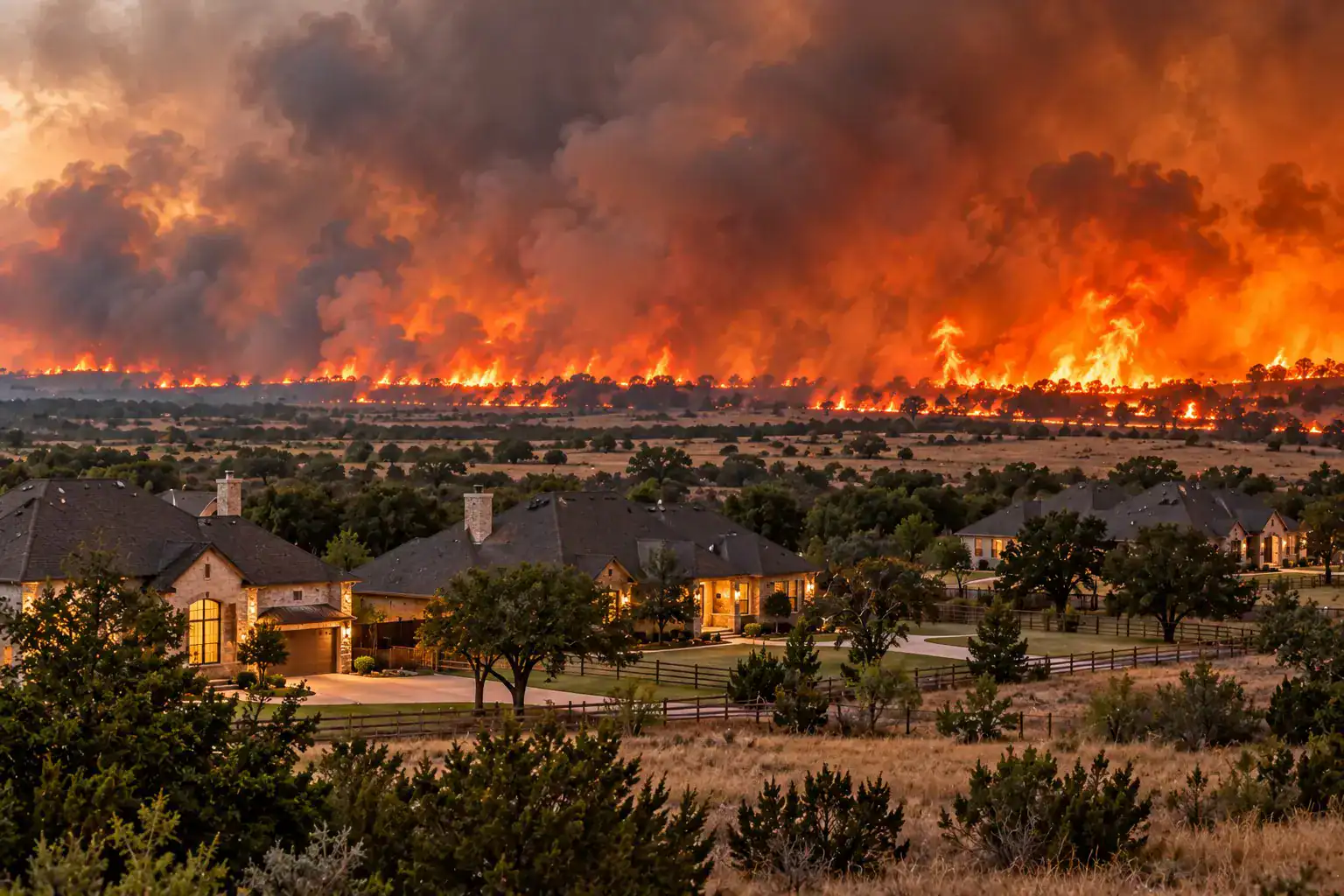
Fort Worth’s hot, dry summers and periods of drought create real wildfire risk, especially for homes near open land or heavy brush. Texas A&M Forest Service organizes home protection into three zones based on distance from the house.
- Immediate Zone, 0 to 5 feet from the house: keep this zone nearly free of anything flammable. No mulch, dry leaves, or stored firewood against the house, and keep gutters clear of dry debris, since this is the zone most vulnerable to wind-blown embers.
- Intermediate Zone, 5 to 30 feet from the house: mow grass to about 4 inches, space tree canopies at least 18 feet apart, and keep the mature canopy no closer than 10 feet to the edge of the home.
- Extended Zone, 30 to 100 feet and beyond: continue thinning tree canopy spacing further out, roughly 12 feet between canopy tops for trees 30 to 60 feet away, and 6 feet for trees 60 to 100 feet away.
- Clear high brush and dry vegetation near the home: especially along fence lines and in areas that do not get regular watering or mowing.
- Store firewood away from the house: at least 20 feet away and off the ground, which also keeps it from drawing pests.
- Keep a fire extinguisher accessible: and know how to use it, along with checking the pressure gauge and expiration date periodically.
- Check for local burn bans: before any outdoor burning, since Tarrant County and surrounding counties regularly issue burn bans during dry periods.
Ready to Start Planning?
Whether you have storm damage to your property, or if you are ready for a remodel, Stanton & Co. is here to help. Call 817.731.5855 ext. 1 or reach us through our Contact Form at www.stantonandcompany.net/contact to schedule a free in-home consultation. You can also visit our Design Center at 4824 Camp Bowie Blvd., Fort Worth to see material samples in person. For a sneak peek, check out Stanton & Company Showroom | Fort Worth Design Center.

Stanton & Company provides full-service residential remodeling, custom cabinetry, countertops, flooring, and design services to homeowners throughout the Dallas–Fort Worth area, including Fort Worth, Benbrook, Aledo, Willow Park, Hudson Oaks, Weatherford, Brock, Keller, the Mid-Cities (Euless, Bedford, Hurst), North Richland Hills, Southlake, Colleyville, Argyle, Arlington, Pantego, Mansfield, Kennedale, Burleson, and Crowley. Visit our Design Center on Camp Bowie Blvd. or call 817.731.5855 ext. 1 to schedule a consultation.