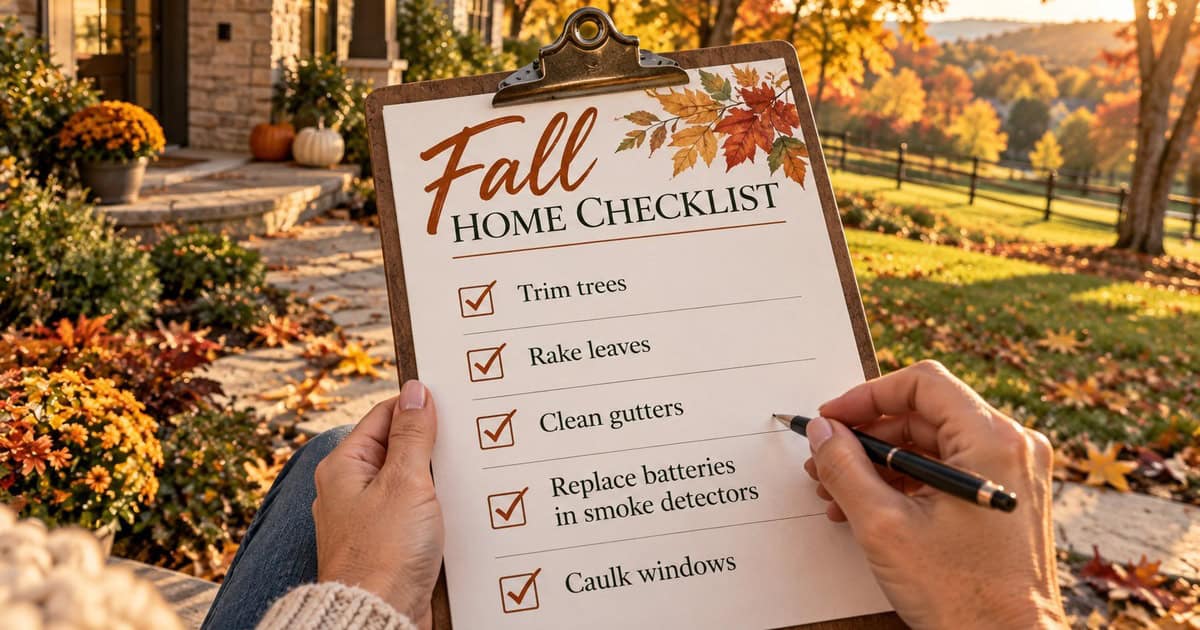
Fall is one of the best times of year to get ahead of home maintenance. North Texas Falls are short and unpredictable, with the same week sometimes swinging from a 90-degree afternoon to a hard freeze, and the ground shifts along with it as the summer drought eases. According to the National Weather Service, the average first freeze in Dallas-Fort Worth arrives around November 22, though it has shown up as early as October 22. That leaves a limited window to finish the work that matters before cold weather settles in.
This Fall home maintenance checklist is organized from the foundation up, so you can work through it one weekend at a time. It covers routine seasonal maintenance for homes in Fort Worth and the surrounding area. For flooding, high wind, hard freezes, and wildfire, see Stanton & Co.’s Preparing for Storms in Fort Worth: Getting Your Home Ready for Flooding, Wind, Freezes, and Fire Events post, which covers emergency preparation in more detail.
Foundation and Structure
North Texas sits on expansive clay soil that shrinks during summer drought and swells again once regular Fall rain returns, which makes the foundation one of the first things worth checking each season.
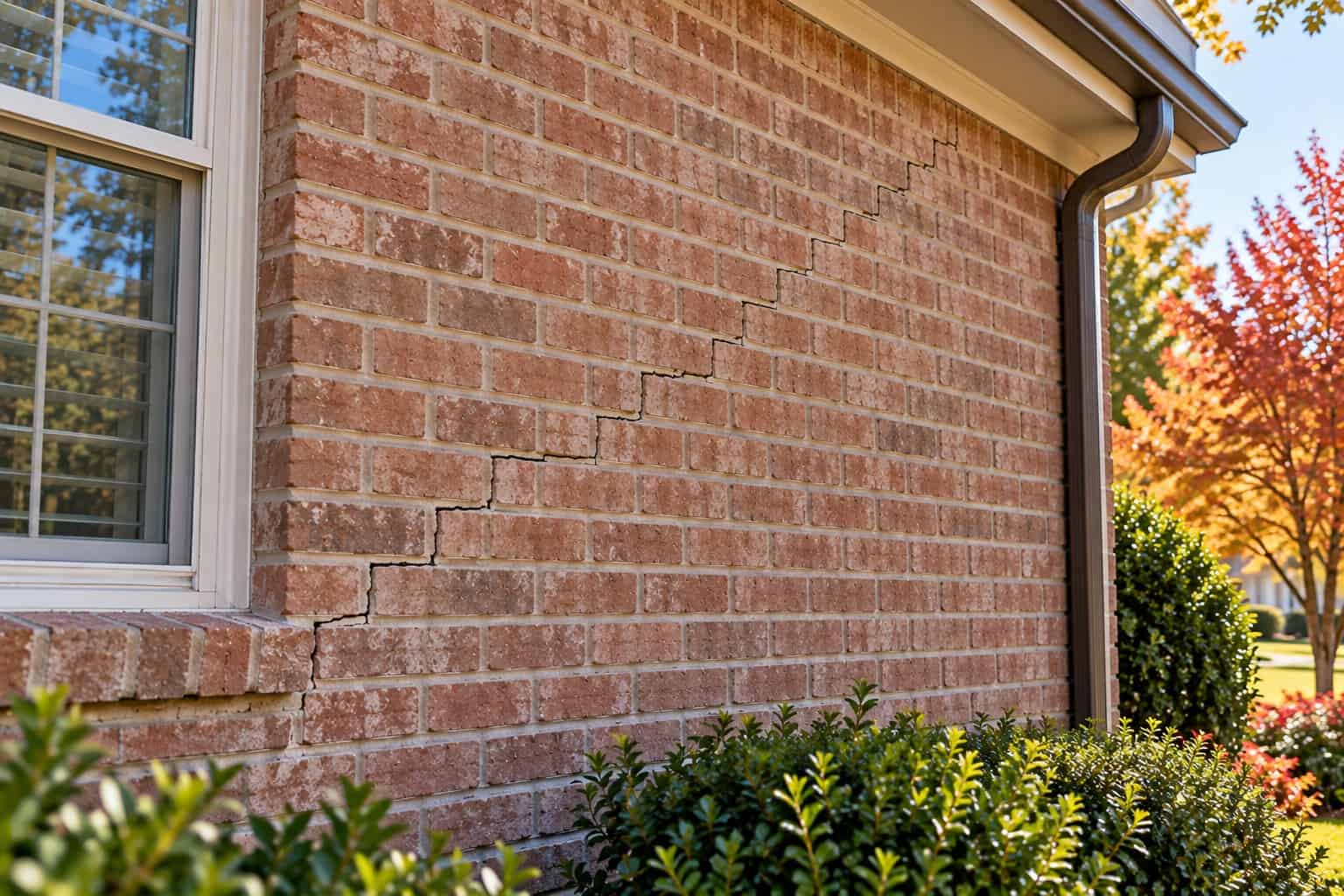
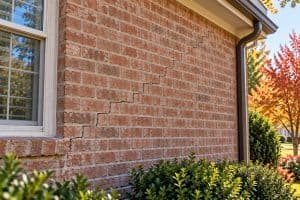
- Walk the foundation: look along the slab, brick, and mortar for new cracks, particularly stair-step cracks in brick, which are often the first visible sign of soil movement.
- Check doors and windows from the inside: doors that stick or will not latch, along with new drywall cracks at door corners, can also point to the foundation shifting.
- Keep the foundation watered evenly until regular rain returns: a soaker hose placed 12 to 18 inches from the slab is a common way to maintain even soil moisture and reduce seasonal movement.
- Check grading and drainage: soil should slope away from the house, and downspouts should discharge at least 5 feet from the foundation, the minimum distance the International Residential Code requires in areas with expansive soil.
Roof, Gutters, and Exterior
- Inspect the roof for hail damage from spring storms: look for missing, cracked, or bruised shingles and dented vents or flashing, and have any repairs made before winter weather arrives.
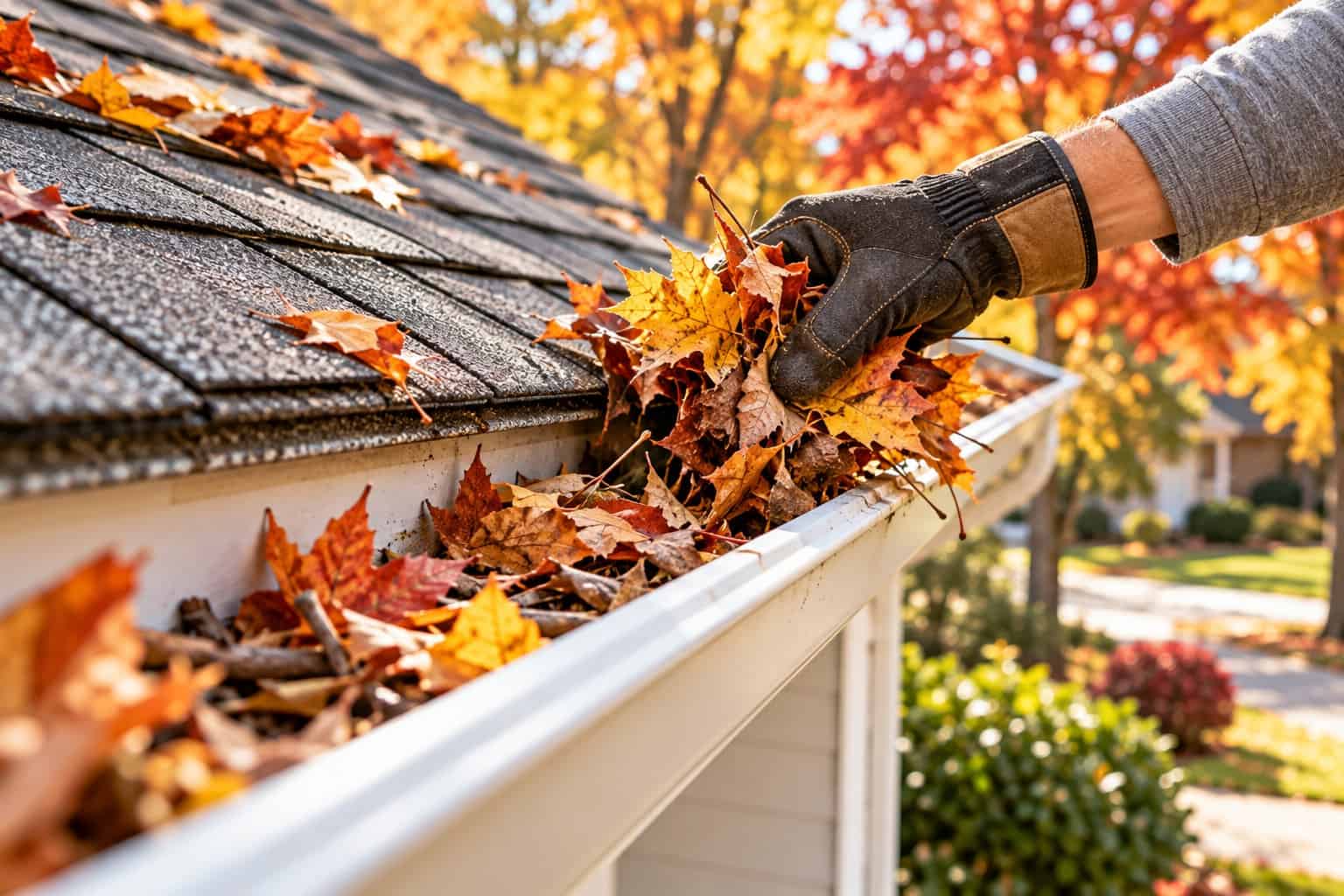
- Clear gutters and downspouts: once pecans, cedar elms, and Bradford pears finish dropping their leaves, clear the gutters and tighten any loose hangers while you are up there.
- Check the flashing: around chimneys, skylights, and vent pipes for gaps or wear.
- Look at siding and trim: for wood rot, gaps, and peeling paint, especially on south- and west-facing walls that took the brunt of the summer sun.
- Re-caulk around windows and doors: and anywhere pipes or wiring enter the house.
- Replace worn weatherstripping and door sweeps: before the first cold front arrives.

HVAC and Heating
- Book a heating tune-up: before the first cold snap, when HVAC companies are busiest and scheduling gets harder.
- Change the air filter: since filters are often clogged after a long cooling season.
- Test the heat on a mild day: while there is still time to fix any problems that turn up.
- Check the thermostat: and replace its batteries.
- Look at the attic ductwork: for loose connections or crushed ducts.
- Clear leaves and debris from around the outdoor unit: so air can flow freely when the system runs.
- Check your propane supply: if your home relies on propane-fueled appliances or heaters, check the tank level and schedule a refill before the first cold snap.
Fireplace and Chimney
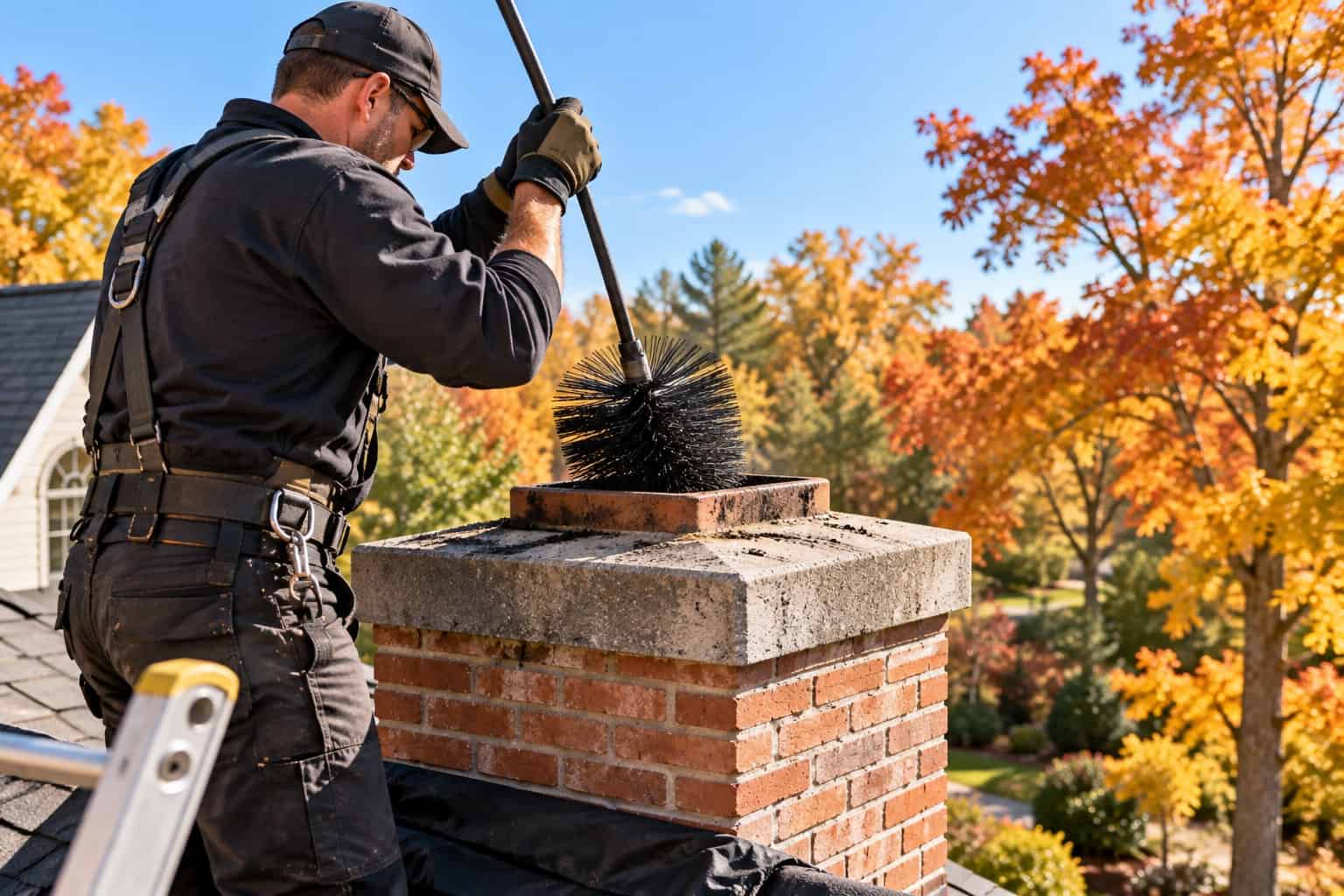
- Have the chimney swept and inspected: particularly if you burn wood. National Fire Protection Association Standard 211 calls for chimneys, fireplaces, and vents to be inspected at least once a year.
- Test the damper: to confirm it opens fully and seals well when closed.
- Check the chimney cap and spark arrestor: for damage or blockage.
- If you have gas logs: check the pilot, the gas connections, and the ventilation.

Safety
- Test smoke and carbon monoxide detectors and change their batteries: daylight saving time ends Sunday, November 1, and the Consumer Product Safety Commission recommends pairing that clock change with fresh batteries, which makes for an easy annual reminder.
- Replace smoke alarms that are more than 10 years old: the Consumer Product Safety Commission recommends replacing any smoke alarm that has passed the 10-year mark, even if it still appears to work.
- Add carbon monoxide detectors if you do not have them: the Consumer Product Safety Commission recommends installing an alarm on every level of the home and outside sleeping areas, and testing each one once a month. This matters most if your home has gas appliances, a fireplace, or an attached garage.
- Check the fire extinguisher: for a charged pressure gauge and a current expiration date.
- Clean the dryer vent: from the lint trap all the way to the exterior flap, since a blocked vent is a common cause of house fires.
- Restock your emergency supplies: gov recommends one gallon of water per person per day for several days, a several-day supply of nonperishable food, a flashlight, extra batteries, a battery-powered or hand-crank weather radio, and a first aid kit. Replace anything expired and update the kit each year.
- Review your homeowner’s insurance: confirm your coverage and deductibles before the next storm. FEMA notes that most homeowners’ insurance does not cover flood damage, and a separate flood policy generally does not take effect until 30 days after purchase, so Fall is a good time to ask your agent.

Plumbing and Water Heater
Freeze protection deserves its own attention in Fort Worth, and Stanton & Co.’s Preparing for Storms in Fort Worth post walks through it in detail, including faucet covers, exposed pipes, and the main water shutoff. The items below cover the rest of the plumbing.
- Drain and store garden hoses: since leaving one attached to an outdoor faucet can crack the faucet in a freeze.
- Flush the water heater to clear sediment: water heater manufacturers recommend flushing a tank at least once a year, and more often in areas with hard water. Fort Worth’s own water quality reports measure hardness at roughly 6 to 11 grains per gallon.
- Test the water heater’s temperature and pressure relief valve: manufacturers recommend that homeowners inspect it once a year, with a professional inspection every five years.
- Know where the water heater’s shutoff is located: before you need it in an emergency.
- Look for slow leaks: under sinks and around toilets.
Energy Efficiency
- Check attic insulation depth: ENERGY STAR recommends a total of R-38 to R-49 for attics in Climate Zone 3, which includes Dallas-Fort Worth, and many older North Texas homes fall short.
- Seal the attic hatch or pull-down stairs: with weatherstripping.
- Look for drafts around outlets on exterior walls: and add foam gaskets where needed.
- Reverse ceiling fans to spin clockwise at low speed: which pushes warm air back down into the room.
Landscaping and Trees
- Clean out flower beds: clearing spent summer plants and debris makes way for Fall planting and keeps beds from harboring pests over winter.
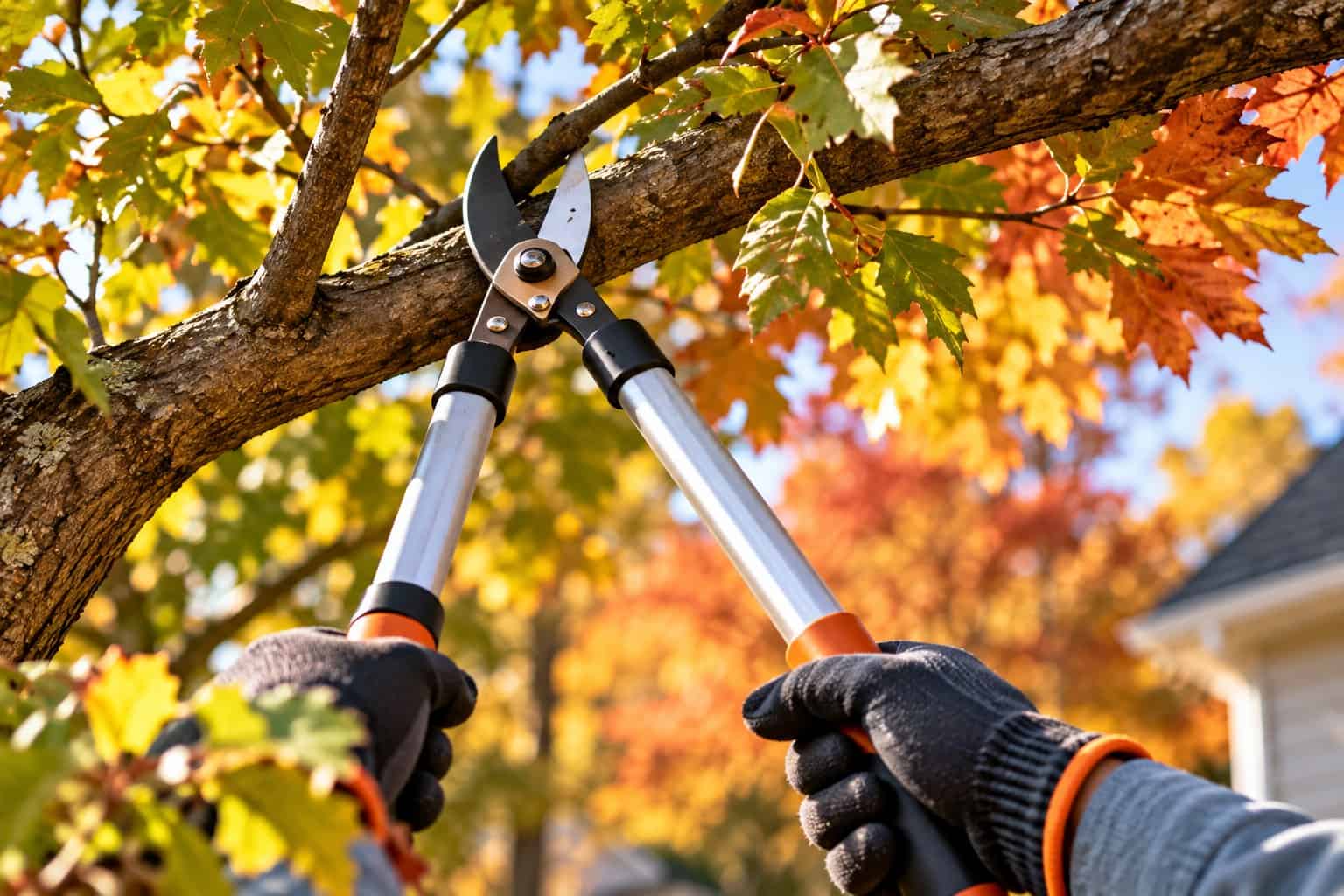
- Trim dead or overhanging limbs: before winter ice storms arrive. Fall is a good window for oaks, but avoid pruning them between February and June, when Texas A&M Forest Service advises that oak wilt is most likely to spread through fresh wounds.
- Cut back plants touching the house: to keep moisture and pests away from the exterior walls.
- Scale back the sprinkler schedule: Texas A&M AgriLife Extension advises turning off or significantly reducing irrigation from late fall to early spring, when warm-season grasses are dormant. Follow your city’s current watering rules as well.
- Rake leaves and put them to work: once the leaves have fallen, rake them off the lawn. Texas A&M AgriLife Extension suggests using fallen leaves as mulch or compost.
- Mulch beds: to help protect roots from freezing temperatures.
- Protect potted plants before the first freeze: Texas A&M AgriLife Extension recommends moving container plants to a garage or another protected location, or grouping them close together on a protected side of the house, and watering them thoroughly before the cold arrives.

Pests
- Seal gaps around the foundation, garage door, and utility line entry points: since mice, rats, and other pests look for a way inside once the weather cools.
- Check the attic: for droppings or signs of nesting.
- Schedule a termite inspection: Texas A&M AgriLife Extension recommends that homes be inspected at least once a year, and mud tubes along the foundation are a common sign of subterranean termite activity.
- Store firewood: at least 20 feet from the house and off the ground.
Garage and Outdoor Living
- Test the garage door’s auto-reverse feature: and lubricate the springs and rollers.
- Clean and store patio furniture cushions and outdoor rugs: before the weather turns.
- Check deck and fence boards: for rot or loose fasteners after months of summer heat.
- Clean, repair, and store garden tools and lawn equipment: while the growing season slows and there is time to replace anything worn out.
- Look at outdoor lighting and timers: now that it is getting dark earlier.
North Texas enjoys mild weather for much of the Fall, so this is also a good time to enjoy your yard. If you have been thinking about a deck, patio, or pergola, Stanton & Co.’s Planning an Outdoor Living Space for Your Fort Worth Area Home post covers the options and the materials that hold up to North Texas weather.
Interior
- Check the grout and caulk: in bathrooms and kitchens for gaps or wear.
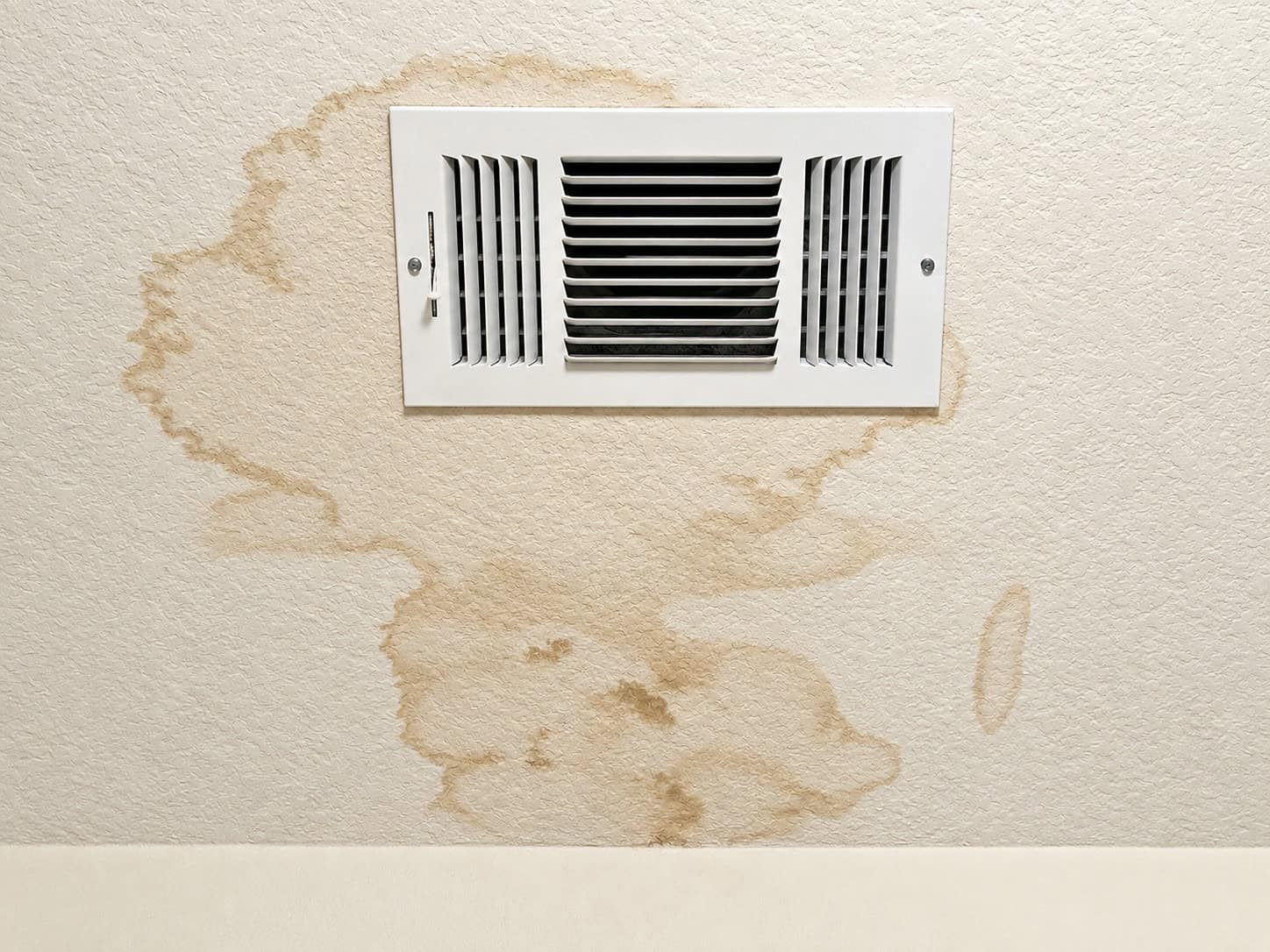
- Look for signs of water on ceilings: especially beneath the attic HVAC unit and its drain pan.
- Clean the range hood filter: before the holiday cooking season begins.
- Watch indoor humidity as the heating season begins: heating dries indoor air, which matters most for solid hardwood floors. Stanton & Co.’s Engineered vs. Solid Hardwood: Which Is Right for Your Fort Worth Home? post explains why homes that hold indoor relative humidity between 35 and 55 percent year-round are the ones that support solid hardwood successfully.
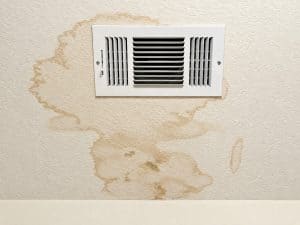
When Fall Maintenance Turns Into a Repair Project
Sometimes a Fall walk-through turns up more than a maintenance item. Flooring that never fully recovered from a past leak is a common example, and Stanton & Co.’s Is LVP Flooring a Good Choice for North Texas Homes? post explains why that material performs so well in North Texas homes. If a larger project has been on your list, our Timing Your Fort Worth Remodel to Be Complete Before the Holidays post covers what to know about planning around the holidays. In either case, Stanton & Co. is available to assess what needs to happen and to work with you toward a long-term plan.
Ready to Start Planning?
Whether your Fall checklist revealed a needed repair or you are ready for a remodel, Stanton & Co. is here to help. Call 817.731.5855 ext. 1 or reach us through our Contact Form at www.stantonandcompany.net/contact to schedule a free in-home consultation. You can also visit our Design Center at 4824 Camp Bowie Blvd., Fort Worth to see material samples in person. For a sneak peek, check out Stanton & Company Showroom | Fort Worth Design Center.

Stanton & Company provides full-service residential remodeling, custom cabinetry, countertops, flooring, and design services to homeowners throughout the Dallas–Fort Worth area, including Fort Worth, Benbrook, Aledo, Willow Park, Hudson Oaks, Weatherford, Brock, Keller, the Mid-Cities (Euless, Bedford, Hurst), North Richland Hills, Southlake, Colleyville, Argyle, Arlington, Pantego, Mansfield, Kennedale, Burleson, and Crowley. Visit our Design Center on Camp Bowie Blvd. or call 817.731.5855 ext. 1 to schedule a consultation.